
A Day in the Life of a Child with Disabilities

THE JOURNEY THROUGH ASSISTIVE AND ADAPTIVE DEVICES

Learn More

STRIDE Designathon team collaborating on assistive device

Every part of a neurodivergent child's day presents an opportunity where low-tech and basic tech devices can significantly improve their independence, dignity, and quality of life. This journey reflects the critical role of the STRIDE Designathon—not just as an innovation challenge but as a mission to create meaningful, life-enhancing solutions.

61+
Million children worldwide with disabilities
15+
Daily activities requiring assistance
30+
Low-tech assistive devices needed daily

MORNING ROUTINE: WAKING UP & TOILETRY

6:00 AM - 7:00 AM

Challenges:

  • Difficulty with mobility to get out of bed.
  • Lack of fine-motor control for handling bathroom activities.
  • Sensory sensitivities that make grooming overwhelming.

Assistive Devices Needed:

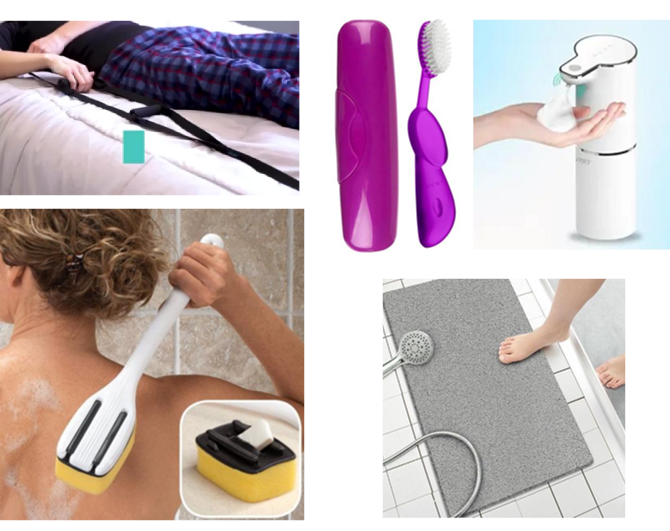
  • Bed Pull-Up Straps: Fabric straps attached to the bedframe for easier sitting up.
  • Switch-Activated Alarms: Large-button or touch-sensitive alarms to help wake up independently.
  • Adaptive Toothbrushes: Thick-handled or electric toothbrushes with easy grips.
  • Non-Slip Bath Mats: To prevent falls in the bathroom.
  • Long-Handled Sponges & Brushes: For reaching different parts of the body during bathing.
  • Toilet Aids: Raised toilet seats with handles, and flush extenders (simple pull-cord mechanisms).
  • Sensor-Based Soap Dispensers: Reduces the need for complex hand movements.
Morning routine assistive devices

BREAKFAST TIME: EATING & NUTRITION

7:00 AM - 8:00 AM

Challenges:

  • Difficulty holding utensils due to weak grip or tremors.
  • Challenges in coordinating hand movements for eating and drinking.
  • Risk of spills leading to frustration.

Assistive Devices Needed:

  • Weighted Utensils: Reduces hand tremors, enabling controlled movement.
  • Ergonomic Grips (3D-Printed): Custom grips for spoons, forks, and cups.
  • Non-Slip Bowls & Plates: Suction bases to prevent sliding.
  • Divided Plates: Keeps food separated for easy access and reduces mess.
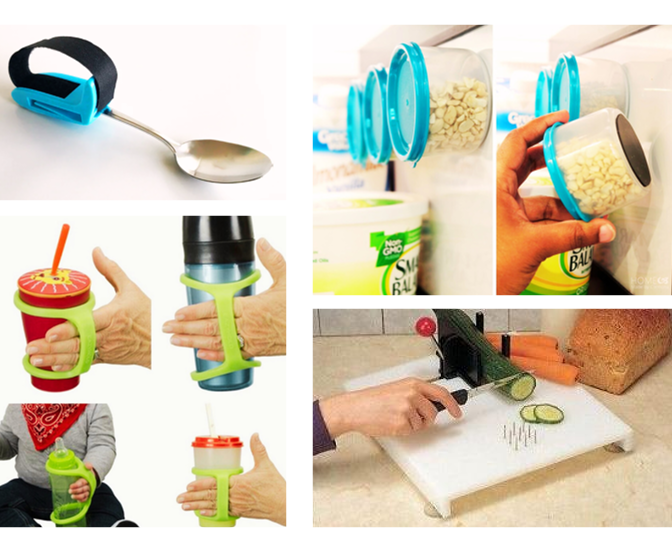
  • Cup Holders with Handles: Adaptive cups with spill-proof lids and easy-grip handles.
Adaptive eating utensils

GETTING READY FOR SCHOOL: DRESSING & GROOMING

8:00 AM - 8:30 AM

Challenges:

  • Difficulty with buttons, zippers, and shoe laces.
  • Grooming tasks like combing hair or clipping nails are challenging.

Assistive Devices Needed:

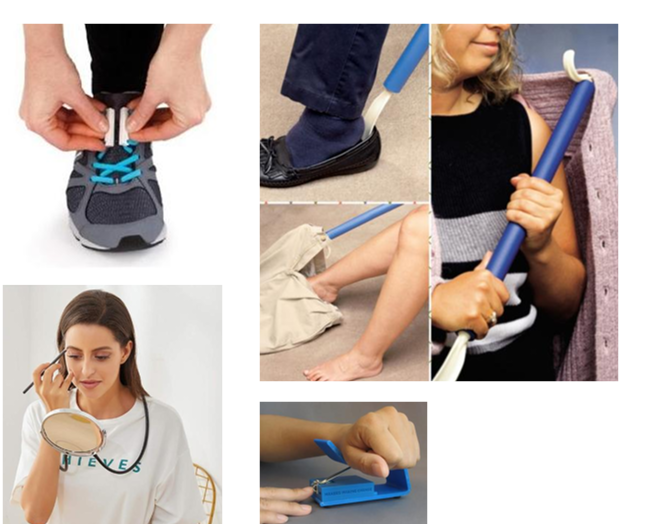
  • Magnetic Shirt Buttons & Zipper Pulls: Simplify dressing independently.
  • Elastic Shoelaces or Velcro Shoes: No need for tying knots.
  • Adjustable Mirrors: Allows grooming while seated.
  • Enlarged Nail Clippers: Easier to handle with less fine-motor control.
Adaptive dressing aids

SCHOOL TIME: MOBILITY, LEARNING & SOCIAL INTERACTION

9:00 AM - 3:00 PM

Challenges:

  • Moving between classrooms, carrying school supplies, writing difficulties, and communication barriers.

Assistive Devices Needed:

  • Lightweight Walkers with Forearm Supports.
  • Non-Slip Floor Markers: To guide safe walking paths.
  • Classroom Adaptations:
    • Slant Boards: To position books at an accessible angle.
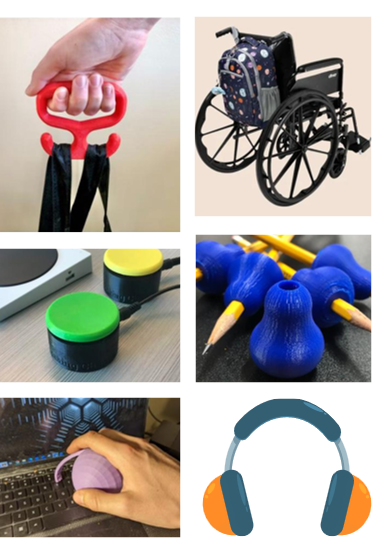
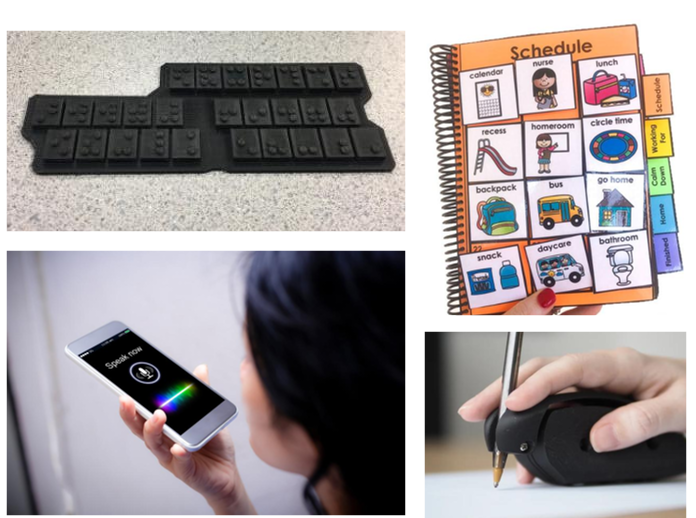
    • Pencil Grips & Adaptive Writing Tools: For students with poor grip strength.
    • Button Switches (Basic Tech): To control devices like computers or interactive whiteboards.
    • Tactile Picture Boards & Communication Cards: For non-verbal students to express needs.
    • Noise-Canceling Headphones: Helps children with sensory sensitivities focus better.
  • Backpack Adaptations:
    • Wheelchair Attachments for Bags: Easy to manage school supplies without added strain.
Classroom adaptive tools

LUNCH BREAK: INDEPENDENCE & SOCIAL INTERACTION

12:30 PM - 1:00 PM

Challenges:

  • Social isolation due to difficulty eating or engaging with peers.

Assistive Devices Needed:

  • Universal Cuff Holders: For holding utensils without gripping.
  • One-Handed Food Prep Tools: For children with hemiparesis or one functional hand.
  • Magnetic Snack Containers: Easy to open and close independently.
Lunch time adaptive tools

RETURNING HOME: TRANSFERS & RELAXATION

3:00 PM - 4:00 PM

Challenges:

  • Fatigue from school activities makes transfers from wheelchair to bed difficult.

Assistive Devices Needed:

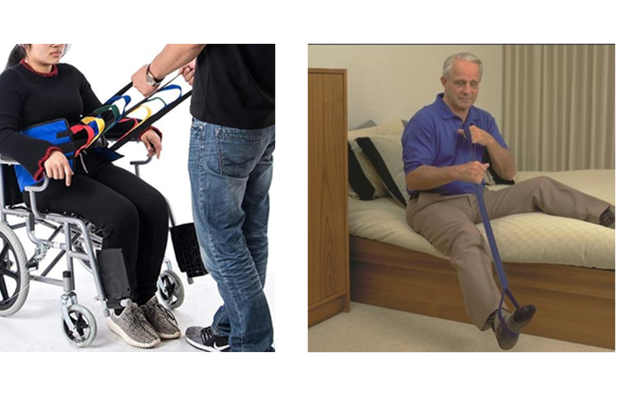
  • Transfer Boards: To shift easily from wheelchair to sofa or bed.
  • Bed Rails with Adjustable Handles: Provides additional support while sitting or lying down.
  • Vibration Cushions: For sensory input and relaxation.
Home transfer assistive devices

HOMEWORK & LEARNING

4:00 PM - 5:00 PM

Challenges:

  • Difficulty focusing on tasks, holding writing tools, and using technology independently.

Assistive Devices Needed:

  • Switch-Activated Devices: For controlling tablets or computers with large buttons or minimal effort.
  • Voice-Activated Plugs & Apps: For turning devices on/off without physical touch.
  • Visual Schedules with NFC Tags: To help with task organization.
  • Large-Button Keyboards: Simplifies typing for children with motor difficulties.
Homework assistive technology

DINNER TIME: EATING WITH FAMILY

6:30 PM - 7:00 PM

Challenges:

  • Maintaining posture while eating, difficulty managing utensils, and spills.

Assistive Devices Needed:

  • Posture Support Cushions: For stable seating.
  • Plate Guards: Prevents food from sliding off the plate.
  • Straw Holders: Keeps straws in place for easy sipping.
Dinner time assistive devices

BEDTIME ROUTINE: WINDING DOWN

8:00 PM - 9:00 PM

Challenges:

  • Difficulty getting into bed, managing lights independently, and following bedtime routines.

Assistive Devices Needed:

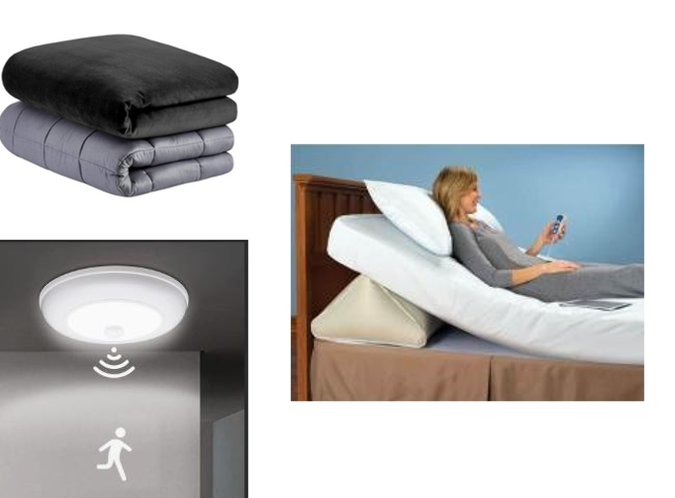
  • Motion-Sensor Night Lights: Activates automatically for safer nighttime mobility.
  • Weighted Blankets: Provides calming sensory input for better sleep.
  • Switch-Activated Bed Controls: To adjust bed positions independently.
Dinner time assistive devices